Space Certified · Gen 3 · Composite Material
EmisshieldThe Next Generation of High Emissivity Coatings
Applied to refractory, ceramic fiber, or metal, Emisshield bonds with the surface to form a composite material that re-radiates heat back into your process instead of losing it to the walls.
01 · The Technology
Applied as a Coating. Performs as a Composite Material.
Emisshield is a family of high emissivity ceramic coatings, developed at NASA’s Ames Research Center for the X-33 and X-34 space vehicle programs. Applied at just 2–4 mils to the hot face of a furnace, it raises surface emissivity to 0.85–0.95 — and holds it there up to 3,100°F (1,700°C). It is not an insulator: it absorbs radiant and convective energy and re-radiates it directly to the cooler product load, so heat that would escape up the stack does work instead.
NASA licensed 2001 · 500+ facilities · six continents · 40+ coatings developed
02 · Products
One Technology. A Coating Engineered for Every Substrate.
Metal · Ceramic Fiber · Refractory
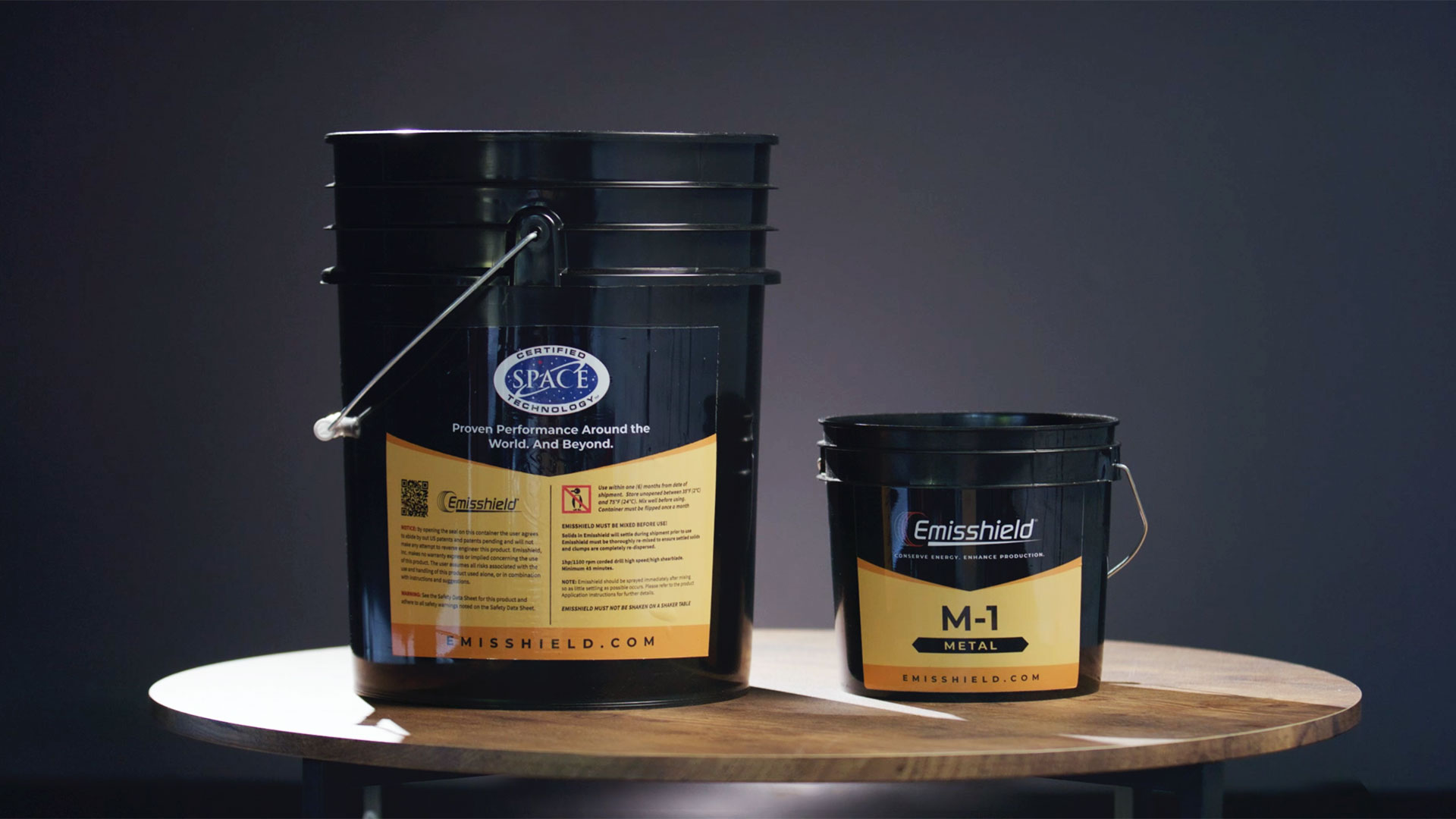
Metal substrate
Emisshield M-1
Engineered for metal surfaces such as radiant tubes, heat shields, burners, and steel components, increasing radiant heat transfer to conserve energy and enhance production.
- Carbon steel
- Stainless
- Metal alloys
03 · How Emissivity Works
Absorb. Re-radiate. Perform.
Radiant energy from the heat source is absorbed into the Emisshield composite surface instead of soaking into the wall, then re-emitted onto the load. Re-radiated, not reflected: the same firing rate delivers more usable heat.
/ 01
Absorb
Radiant energy is taken into the composite surface instead of soaking into the wall. The coating becomes part of the surface itself.
/ 02
Re-radiate
The surface re-emits that energy onto the load. Re-radiated, not reflected, so heat returns to the product and process.
/ 03
Perform
Same firing rate, more usable heat: less fuel, more production, documented in service.
04 · Industries
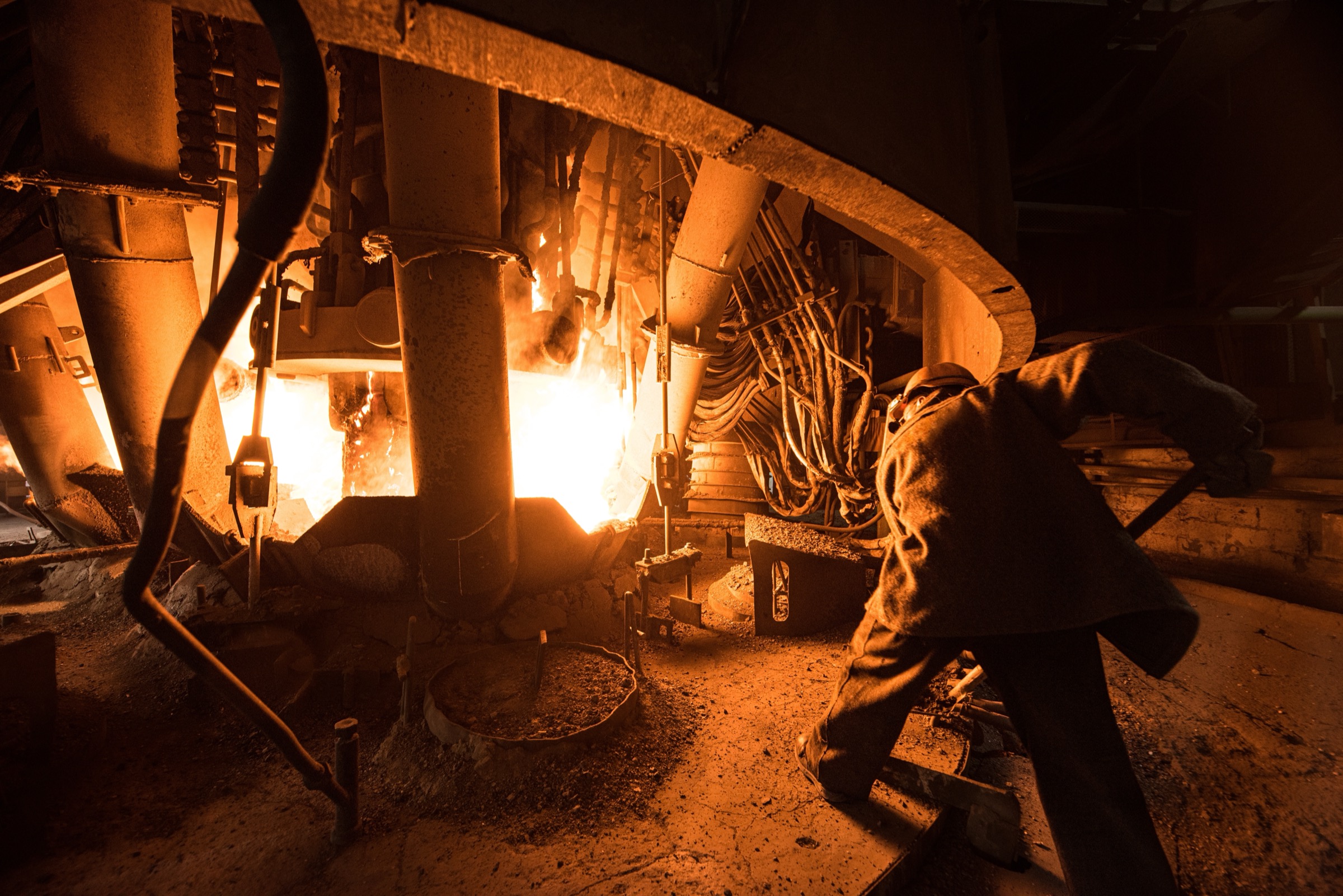
Proven Across Heat-Intensive Industries.
Iron & Steel
Faster heat-up and lower fuel burn in reheat and annealing.
Hydrocarbon & Chemical
More uniform tube-wall temperatures in fired heaters.
Glass
Stable crown temperatures and reduced specific energy.
Power Generation
Higher radiant absorption on boiler waterwalls.
Kilns
Shorter heat-up cycles and steadier zone control.
Ethanol
More efficient firing in dryers and thermal oxidizers.
Crematories
Faster cycles and lower fuel use with Emisshield ST-3(M).
Parts & OEMs
Higher-performing components and equipment.
Space & Aerospace
Thermal protection born on NASA launch vehicles.
05 · Performance
The Performance Behind the Coating.
01 · Reach
500+ facilities
Coated and working worldwide.
02 · Fuel
Up to 15% fuel savings
Documented in service; audited cases at 5%, 8%, and 12%.
03 · Capacity
5–15% production gains
Throughput gains recorded across industries.
04 · Payback
3–12 months typical
Many cases in 3–7 months.

06 · Quality & Certifications
Quality and Certifications.
NASA / Space Hall of Fame
Licensed 2001. Hall of Fame inductee.
Test Data & Validation
Third-party verified performance.
Patents & Awards
Protected, recognized technology.
Standards
QA/QC process, documented.
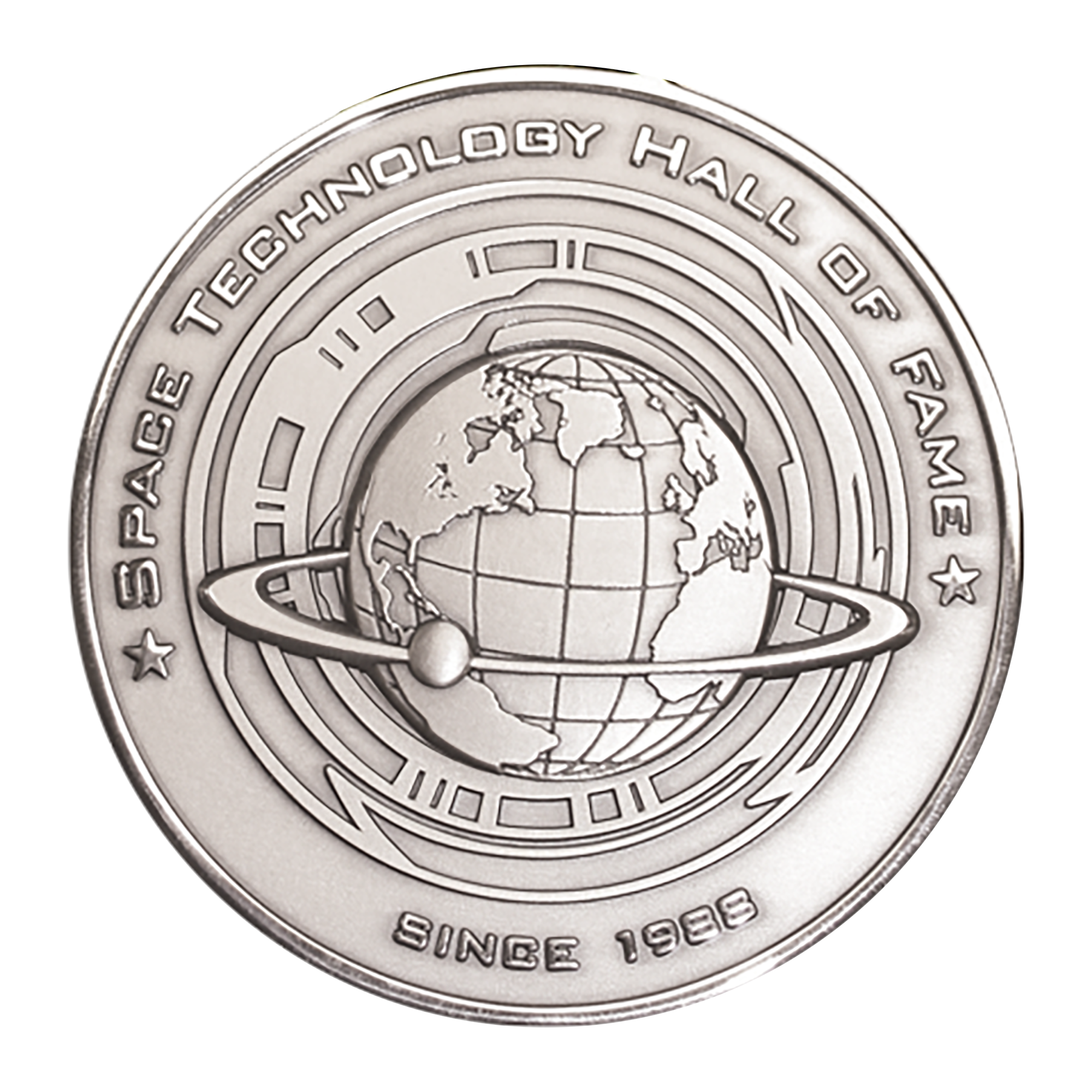
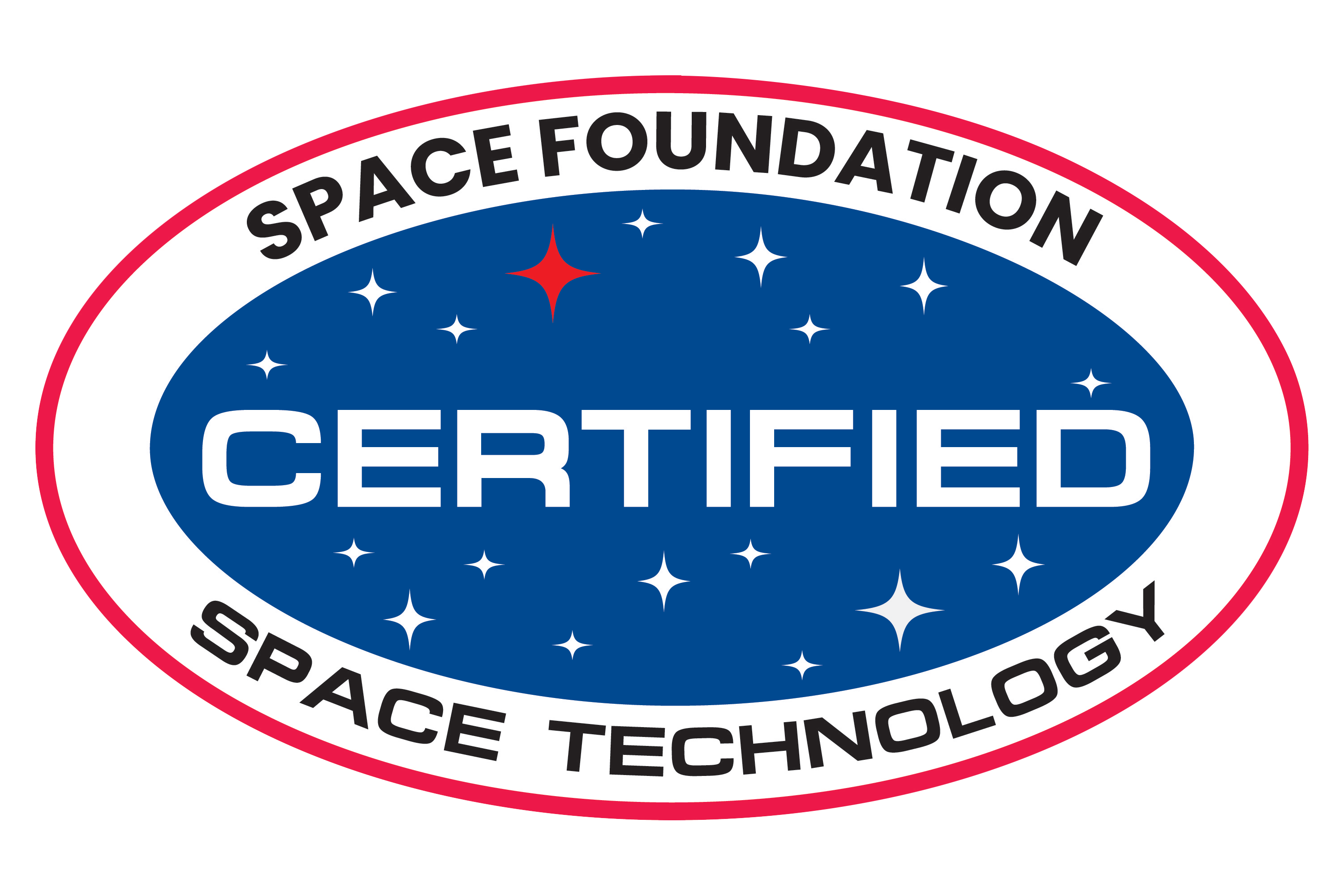
Space Technology Hall of Fame · Space Foundation Certified Technology
07 · Distributors
Global Reach. Local Expertise.
16 certified partners sell, apply, and support Emisshield across the globe. Hover a region or a logo to see who covers it.

- United States · Canada

- United States

- Trinidad & Tobago

- Paulo LeiteBrazil
- Europe · Iraq

- Türkiye · Azerbaijan

- Qatar

- Saudi Arabia · UAE · Egypt

- Tech Mech ServicesOman
- Sub-Saharan Africa

- India

- China · Mongolia
- ESNTChina
- Japan

- South Korea

- Multiple Locations Worldwide

08 · Booklets
See the Proof. Download Our Industry Booklets.
Case studies, application detail, and the certified process for each industry, in one document.
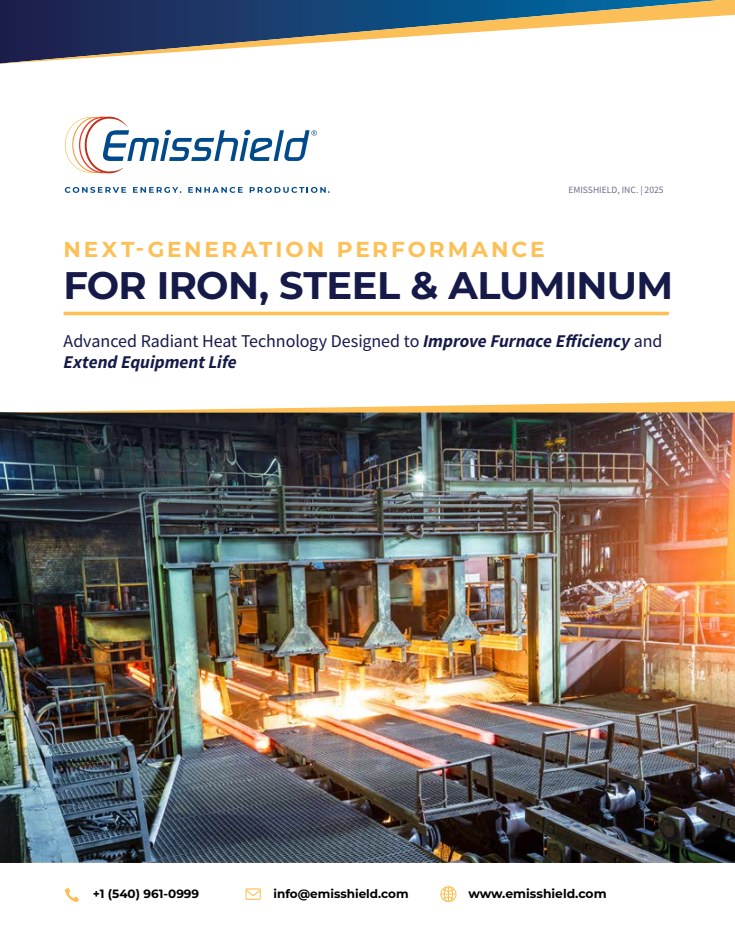 Gated · free with email
Booklet · 2025
Next-generation performance for iron, steel & aluminum
The full Iron & Steel booklet: 14 case studies across EAF roofs, deltas, ladles, and radiant tubes, with specifications and the certified application process.
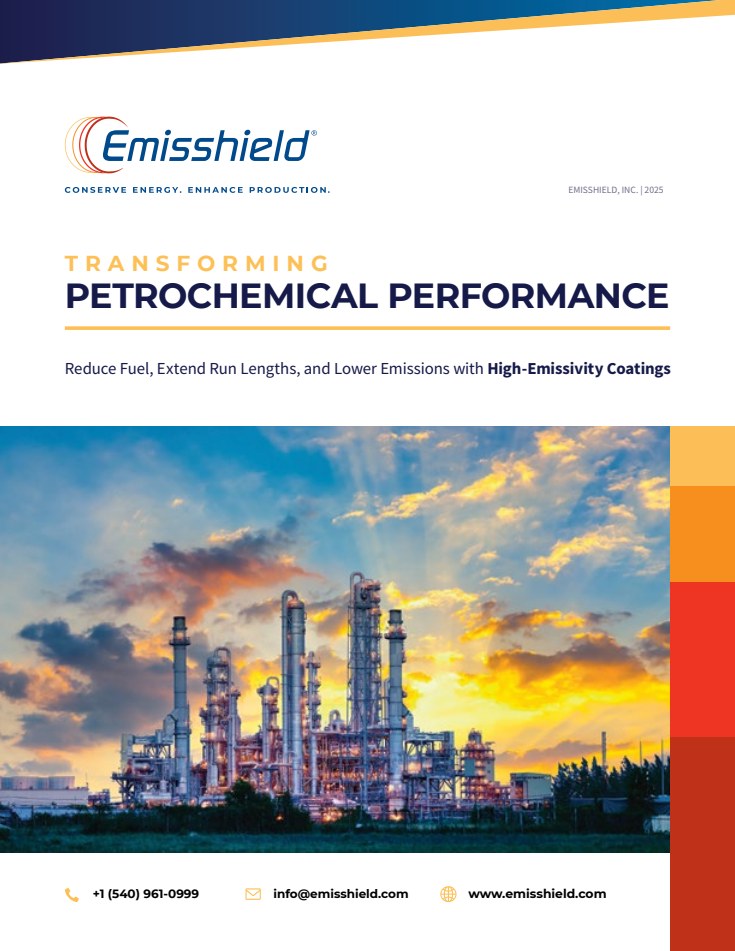 Gated · free with email
Booklet · 2025
Transforming petrochemical performance
The full Petrochemical booklet: reformers, crackers, process tubes, and flares, with documented fuel savings, extended run lengths, and third-party validations.
 Gated · free with email
Booklet · 2025
High-emissivity coating solutions for power generation
The full Power Generation booklet: boilers, HRSGs, RTOs, and waste-to-energy systems, including the Apache Nitrogen and E.ON biomass case studies.
Common Questions
Frequently Asked Questions.
What is a high emissivity coating?
A thin ceramic coating engineered to raise a surface's emissivity close to black-body behavior (0.85–0.95) and keep it there at extreme temperature, so furnace surfaces re-radiate heat into the product instead of losing it.
How much fuel can a high emissivity coating save?
Documented Emisshield results range up to 15% depending on asset, fuel, and baseline condition — with specific audited cases at 5%, 8%, and 12%.
Is Emisshield an insulator?
No. Insulation resists heat flow; Emisshield redirects it — absorbing radiant and convective energy at the hot face and re-radiating it to the cooler product load. The two work together.
What temperatures can Emisshield withstand?
Emissivity holds constant to 3,100°F (1,700°C), with thermal shock tolerance from -392°F to 2,732°F in 3 seconds without failure.
Losing Heat in Your Thermal Process? Request a Quote.
Send the details of your furnace, kiln, boiler, or reactor and our engineers will come back with what a coating is worth on your equipment.