Technology · Products / Coatings
High Emissivity Coating Products
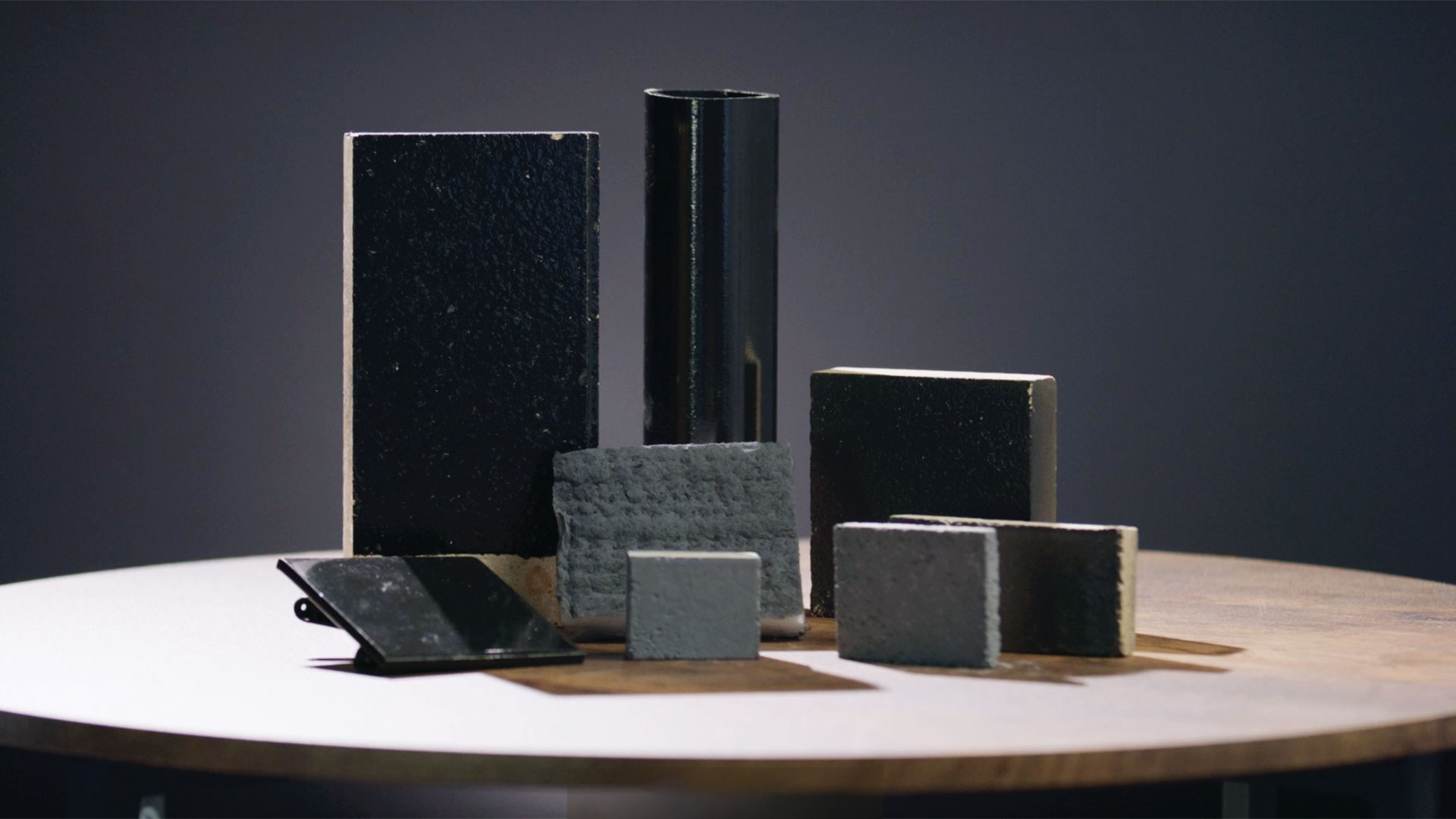
Emisshield manufactures high emissivity ceramic coatings that raise surface emissivity to 0.85 to 0.95, constant to 3,100°F (1,700°C). Since licensing the base technology from NASA in 2001, Emisshield has engineered 40+ formulations, each matched to a substrate (metal, refractory, or ceramic fiber), an atmosphere, and a temperature range. All are water-based and non-hazardous, applied thin (2 to 4 mils, 75 microns or less) by certified applicators, and bond at more than 5,000 PSI. Emisshield is the only third-generation high emissivity coating, with the strongest adhesion and highest sustained operating temperatures on the market.
Coating Families
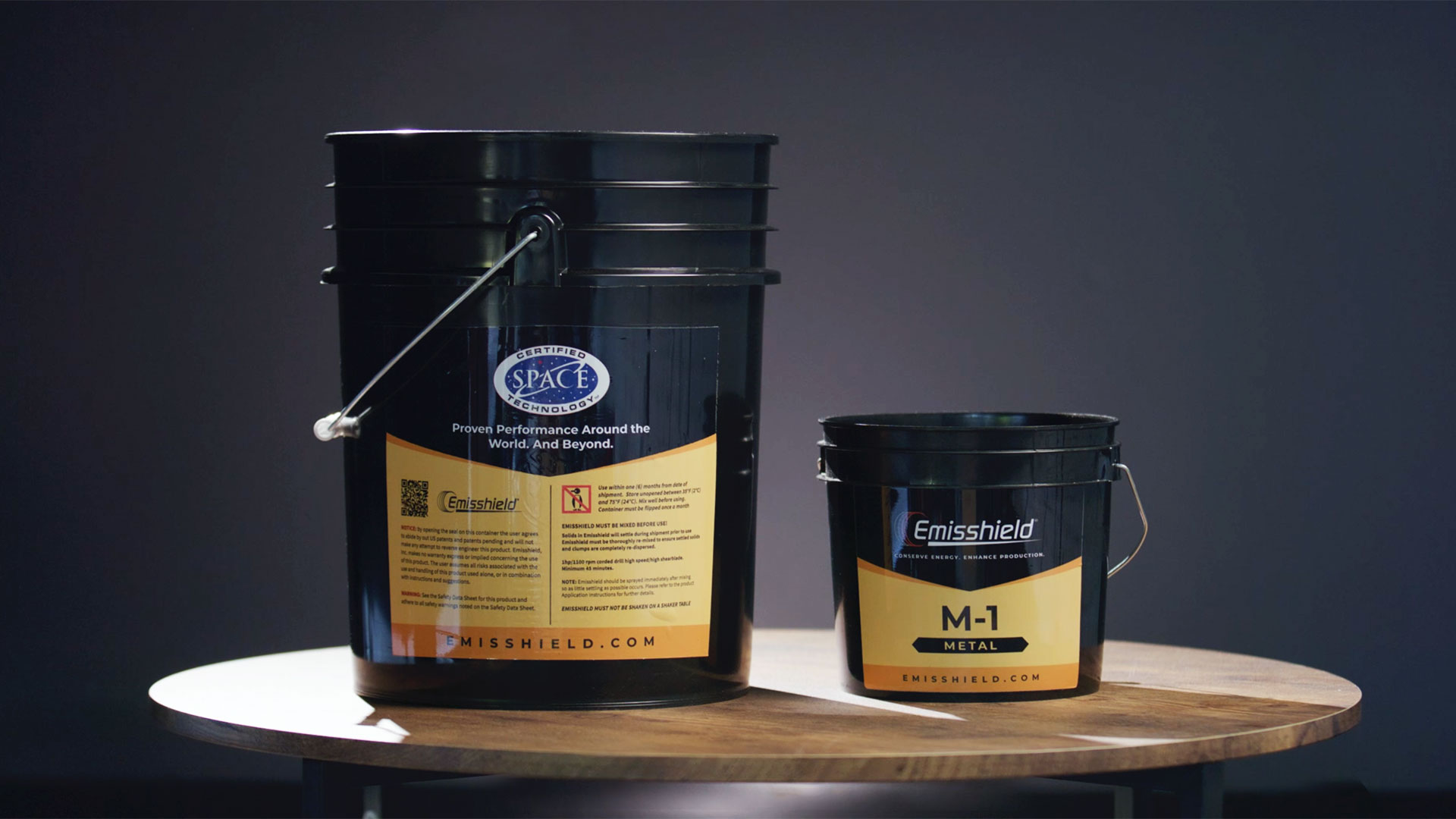
Metal-substrate coatings (M-series)
Carbon steel, stainless, high-temperature alloys
M-1, M-2
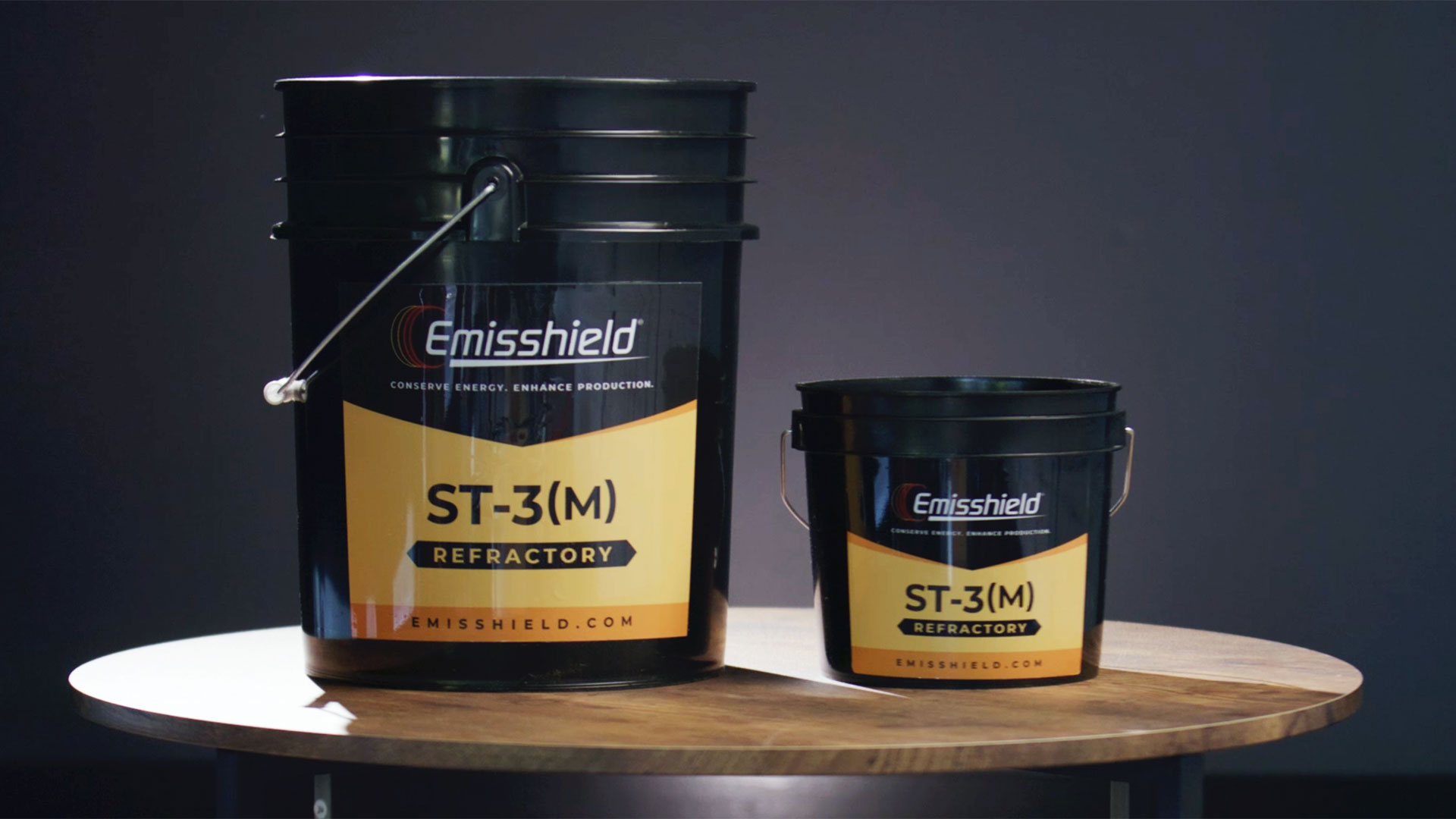
Refractory coatings (ST-series)
Brick, castable, gunned, precast
ST-2, ST-3(M), ST-17
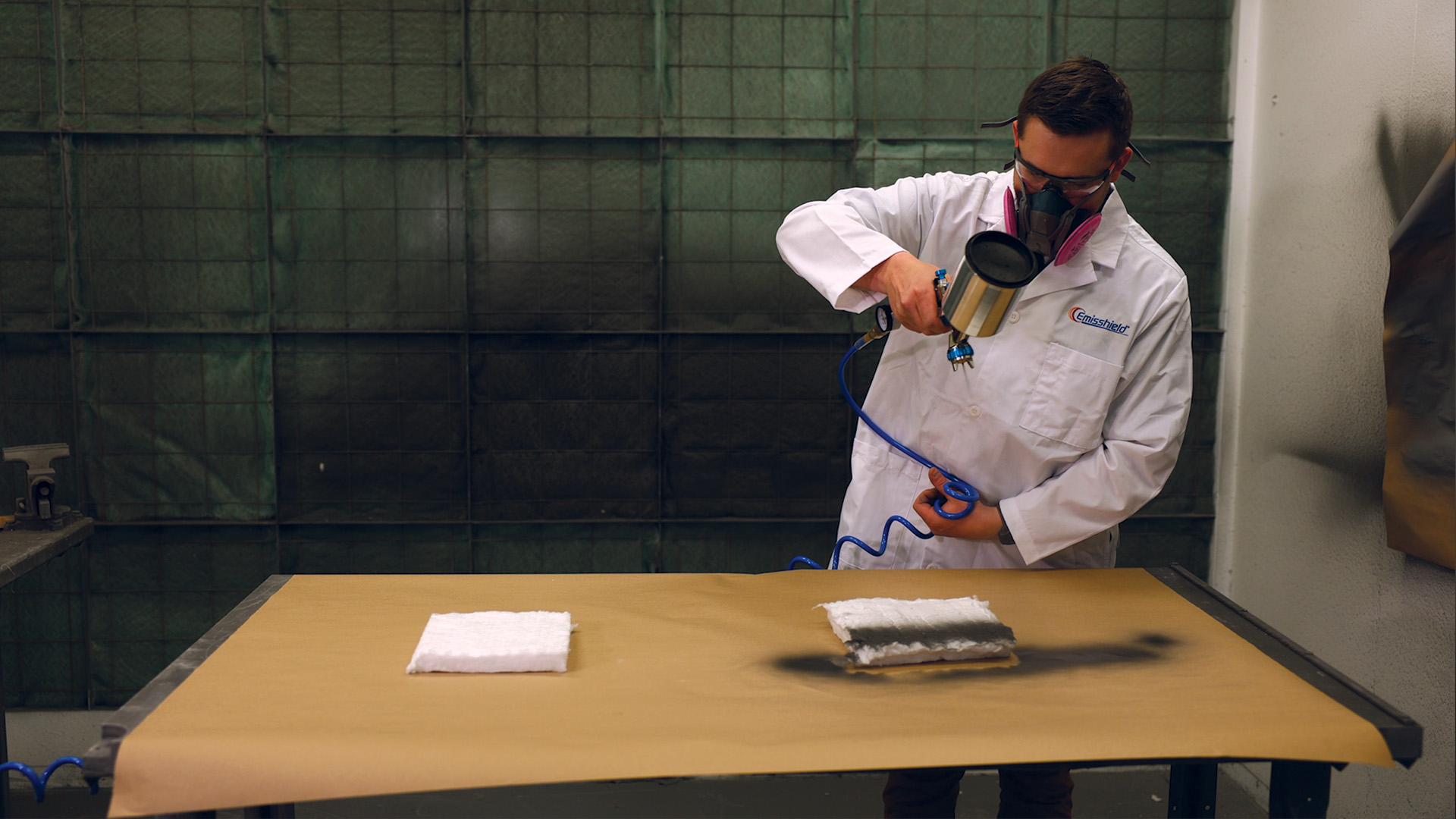
Ceramic fiber and IFB coatings (ST-series)
Blanket, modules, board, insulating firebrick
ST-17, ST-17.2
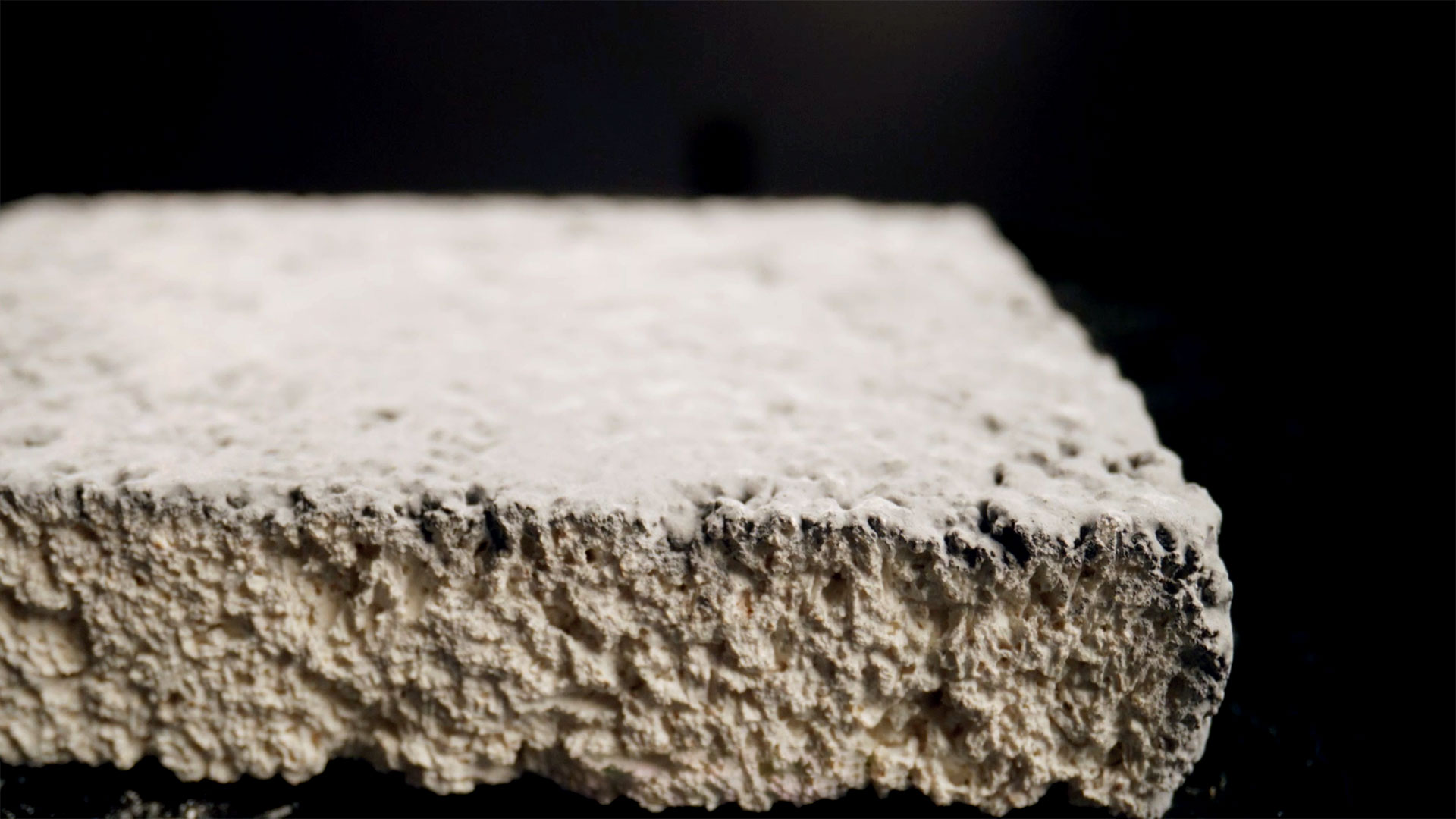
Burner block and dense castable coatings (DI-series)
Dense castable, burner tiles
DI-1, DI-7
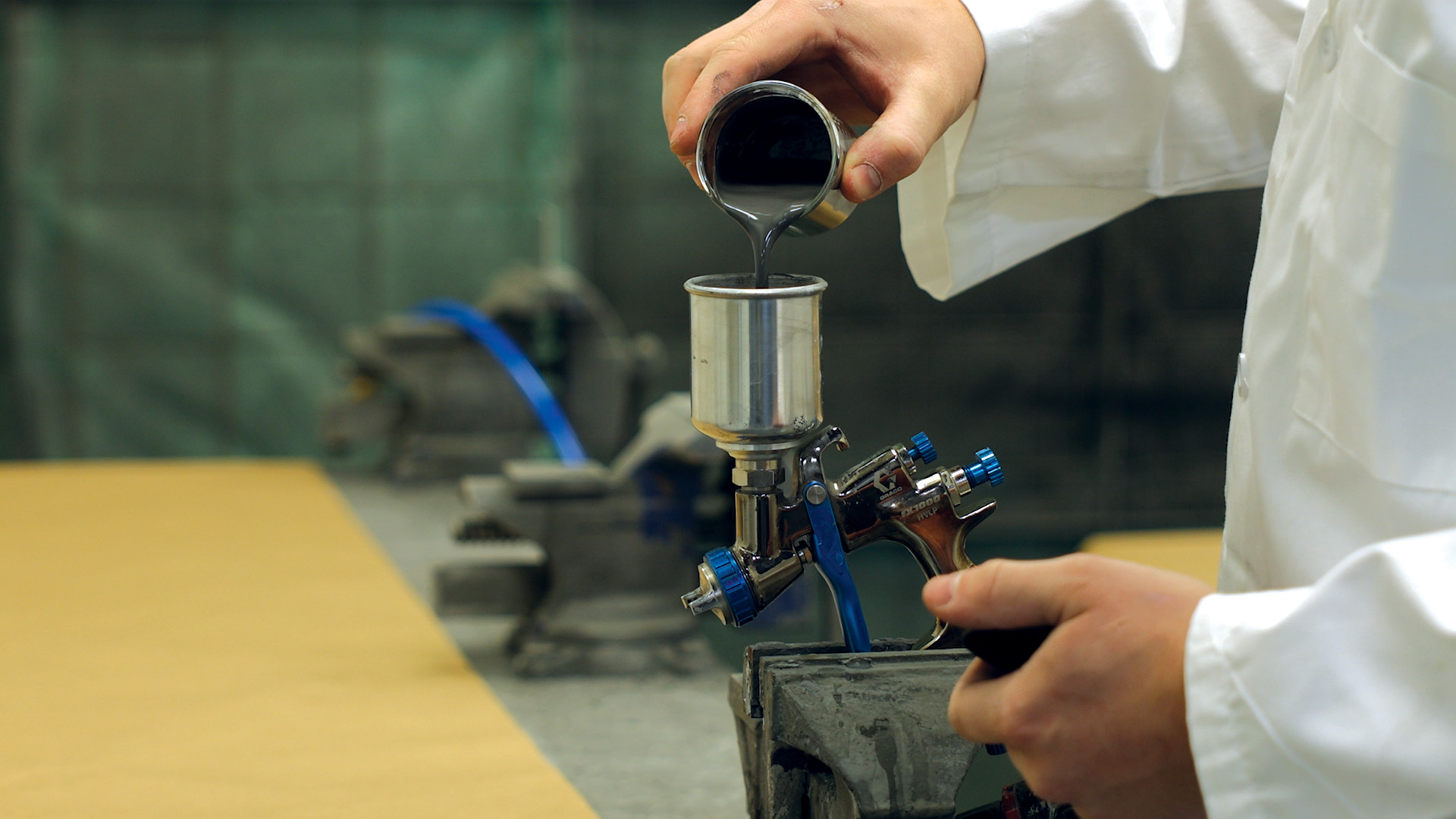
Slag- and melt-contact coatings
Ladle refractory, aluminium furnace linings
STG-1, MT-7
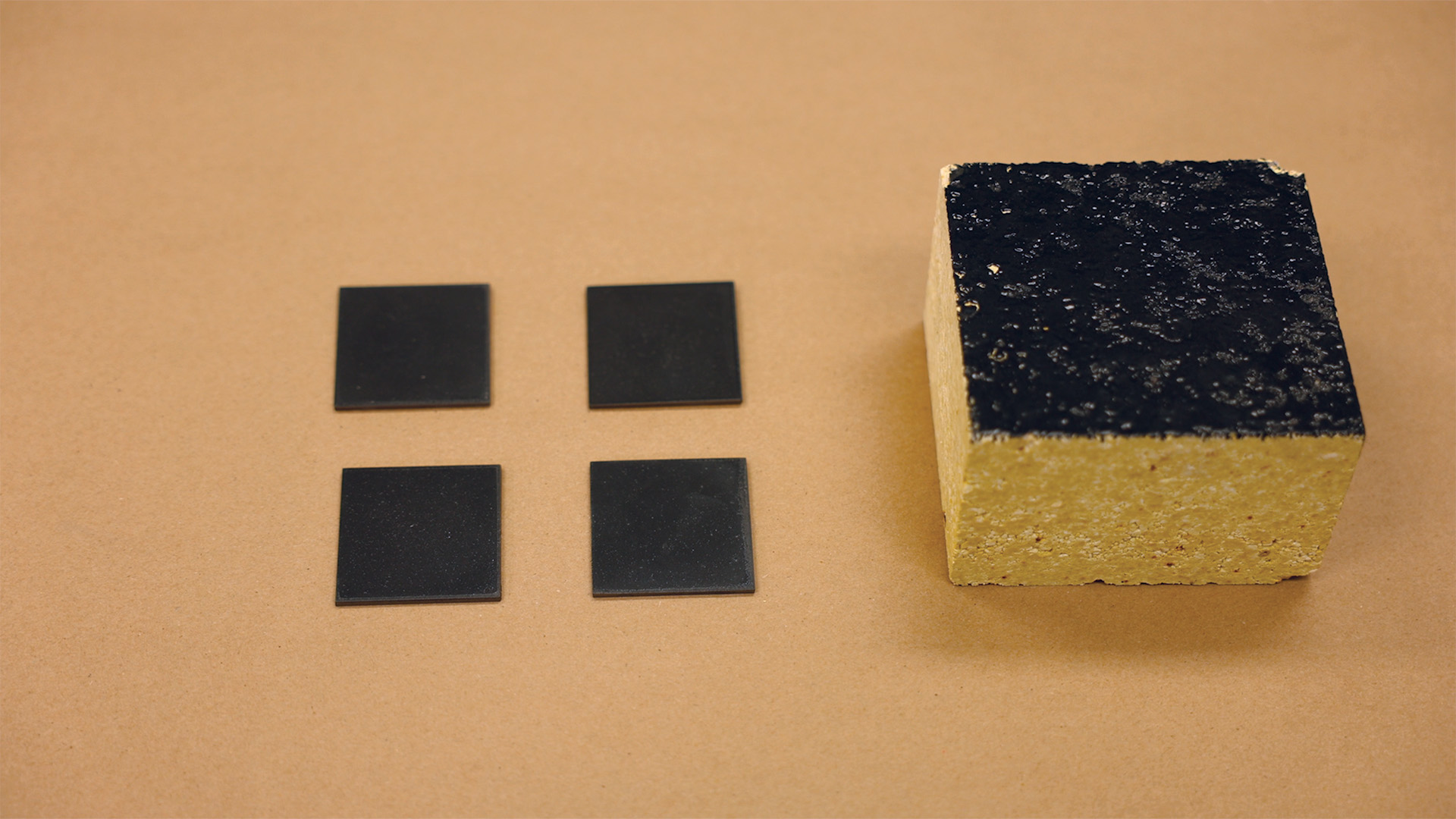
Flare coatings (FLM-series) and sintered systems
Stainless flare tips and shells, burner tips
FLM-2, FLM-6 (sintered)
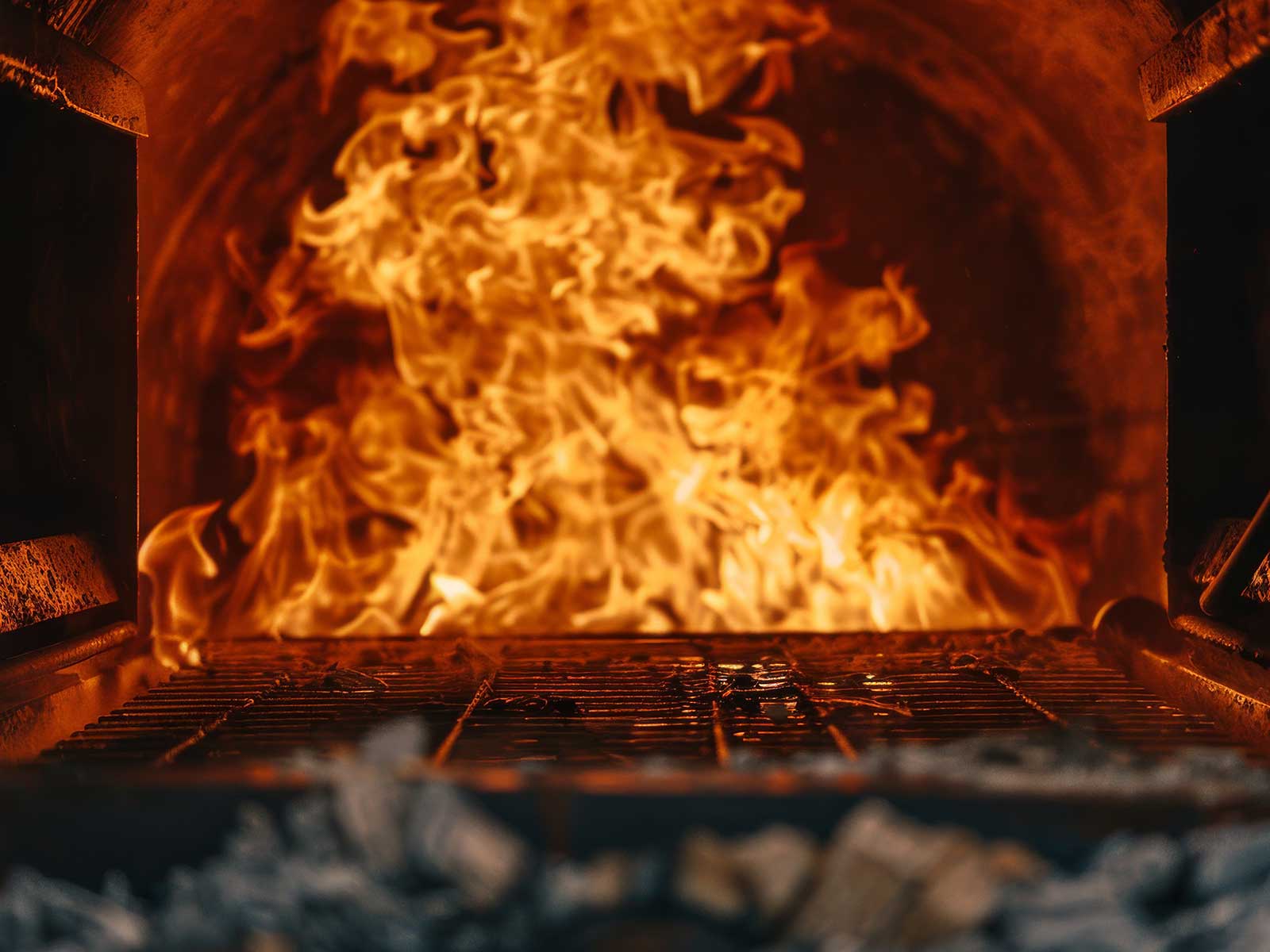
Cremkote
Crematory chamber refractory
Cremkote
01
Which Emisshield product fits my equipment?
Selection follows the substrate first, then atmosphere and operating temperature. The families below cover every thermal asset in the case study library; the specific formulation is chosen by Emisshield engineering or your distributor from the assessment data.
Metal-substrate coatings turn surfaces with a typical emissivity of ~0.6, falling with temperature, into stable 0.85+ re-radiators, evening heat flux and slowing oxidation and scale pickup. Refractory and fiber coatings raise linings from ~0.3 to 0.4 to 0.85 to 0.95 and seal the surface, which is why documented fiber shrinkage falls from 5 to 7% to under 1%.
| Family | Substrate | Typical assets | Representative products named in case studies |
|---|---|---|---|
| Metal-substrate coatings (M-series) | Carbon steel, stainless, high-temperature alloys | Radiant tubes, process tubes, burner tips, water-cooled EAF roofs, furnace rolls, structural steel, molten-metal tools, ladle shells, OEM components | M-1, M-2 |
| Refractory coatings (ST-series) | Brick, castable, gunned, precast | Heater and reformer linings, kiln linings, boiler refractory, EAF deltas, crematory chambers, sulfur furnace walls | ST-2, ST-3(M), ST-17 |
| Ceramic fiber and IFB coatings (ST-series) | Blanket, modules, board, insulating firebrick | Cracker and reformer walls and roofs, annealing furnace modules, RTO linings | ST-17, ST-17.2 |
| Burner block and dense castable coatings (DI-series) | Dense castable, burner tiles | Reformer and annealing burner blocks, dryer burner tiles | DI-1, DI-7 |
| Slag- and melt-contact coatings | Ladle refractory, aluminium furnace linings | Auto-pour and grey-iron ladles, melting and holding furnaces | STG-1, MT-7 |
| Flare coatings (FLM-series) and sintered systems | Stainless flare tips and shells, burner tips | Oil-field flares, black-liquor and coal burner tips | FLM-2, FLM-6 (sintered) |
| Cremkote | Crematory chamber refractory | Primary and afterburner chambers | Cremkote |
02
What are the specifications?
| Property | Value |
|---|---|
| Emissivity | 0.85 to 0.95, constant to 3,100°F (1,700°C) |
| Maximum service temperature | 3,100°F / 1,700°C |
| Applied thickness | 2.0 to 4.0 mils (50 to 100 µm); ≤75 µm typical |
| Adhesion (prepared surface) | > 5,000 PSI (345 bar) |
| Thermal shock | -392°F to 2,732°F in 3 seconds, no failure |
| Chemistry | Water-based, non-hazardous, no toxic oxides |
| Recoat interval | 3 to 5× longer than standard high emissivity coatings |
| Application | HVLP spray (brush for small areas), certified applicators; some metal products sintered before service |
03
What is Emisshield not?
It is not an insulator and not a thermal barrier. It does not slow conduction through the wall. It changes the radiant behavior of the hot face, which is where the largest recoverable loss in a fired asset lives. It works with your insulation, not instead of it.
04
Where is it made and who applies it?
Every gallon is manufactured in Blacksburg, Virginia, USA, with capacity above 40,000 gallons annually, and applied worldwide through 16 certified distribution partners. Correct thickness matters: more is not better, and 2 to 4 mils is the engineered window.
Documented Results
Huntsman ethylene cracker, ST-series on IFB and fiber modules: 12% fuel savings. · CSBP ammonia reformer, ST-17.2 and DI-1: +5% production. · Redline auto-pour ladles, STG-1: service life doubled, 20,000 to 40,000 pours. · Saudi Aramco flares, FLM-2 and FLM-6: life extended 4 to 6× and 7 to 10×. Case Study Library
FAQ
Frequently Asked Questions
- Is Emisshield a paint?
- It is applied like one, sprayed at 2 to 4 mils, but it is an engineered, non-hazardous ceramic coating that bonds above 5,000 PSI and operates to 3,100°F. Searches for "high emissivity paint" describe this class of product; the accurate term is high emissivity ceramic coating.
- How do I get spec sheets and SDS?
- Per-product technical documents are available through your distributor or Emisshield engineering. Contact us
- Can it be applied to an existing, used lining?
- Yes. Surfaces are prepared (typically light grit-blast or clean-down; refractory often needs no prep) and coated during a planned outage. Most assets return to service on the same schedule.
- Who applies it?
- Certified applicators: Emisshield crews or trained distributor partners.
- What is a sintered coating?
- A metal-substrate coating fired onto the component before installation, used where the part sees direct flame or corrosive gas, such as burner tips and flare tips.