Industries · Hydrocarbon & Chemical
High Emissivity Coatings for Hydrocarbon & Chemical Processing
In refining and petrochemicals, fired heaters, crackers, and reformers consume the site's largest fuel share, and uneven heat flux drives coking, hot spots, and early shutdowns. Emisshield high emissivity coatings raise firebox and tube surfaces to 0.85 to 0.95 emissivity, with documented results of 12% fuel savings on an ethylene cracker, 9% more production on an ethylene furnace, 5% more ammonia from a primary reformer, and decoke intervals extended from 9 months to more than 30. ROI is typically under a year.
- 12% fuel, ~$1.5M/yr, shrinkage <1%
- Ethylene cracker · Huntsman, Texas
- 6% fuel, +9% production
- Ethylene furnace · Eastman, Texas
- +10% cracking rate, 2 to 6% energy
- EDC/VCM furnace · SABIC, Saudi Arabia
01 · Applications
/ 01
What problems does a high emissivity coating solve in a fired heater?
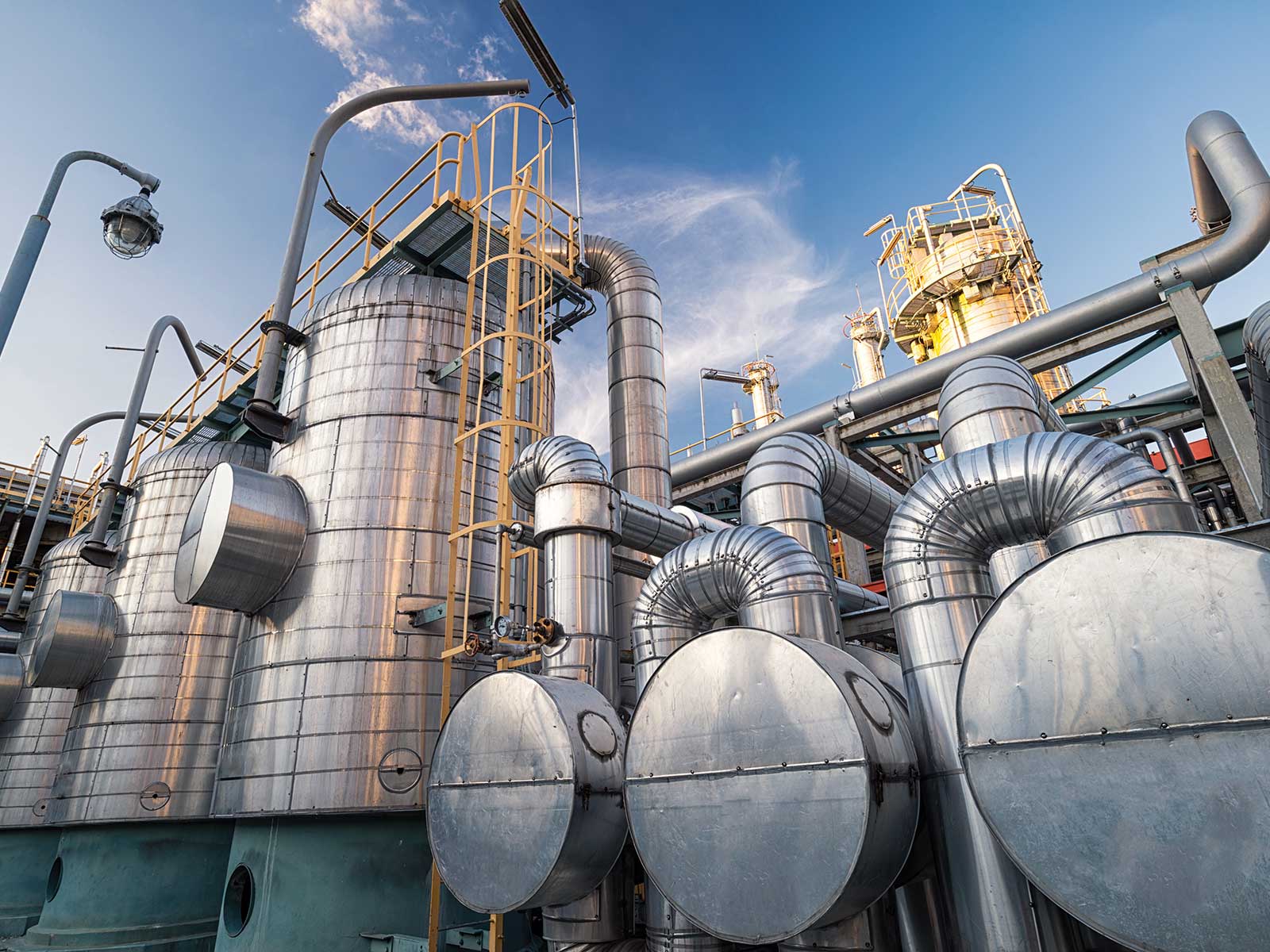
Uneven tube-wall temperatures and localized flame impingement raise peak metal temperatures, which accelerates coking and shortens run length between decokes. Bridge-wall temperatures press alarm setpoints. Ceramic fiber and insulating firebrick shrink and degrade. Fuel and CO2 per ton resist every burner tune because the loss is radiant, not combustion. The coating addresses the radiant loss directly: heat flux evens out, the same duty is met at lower firing, and tube metal temperatures fall by 40 to 70°C in documented service.
/ 02
How does Emisshield perform on ethylene and cracking furnaces?
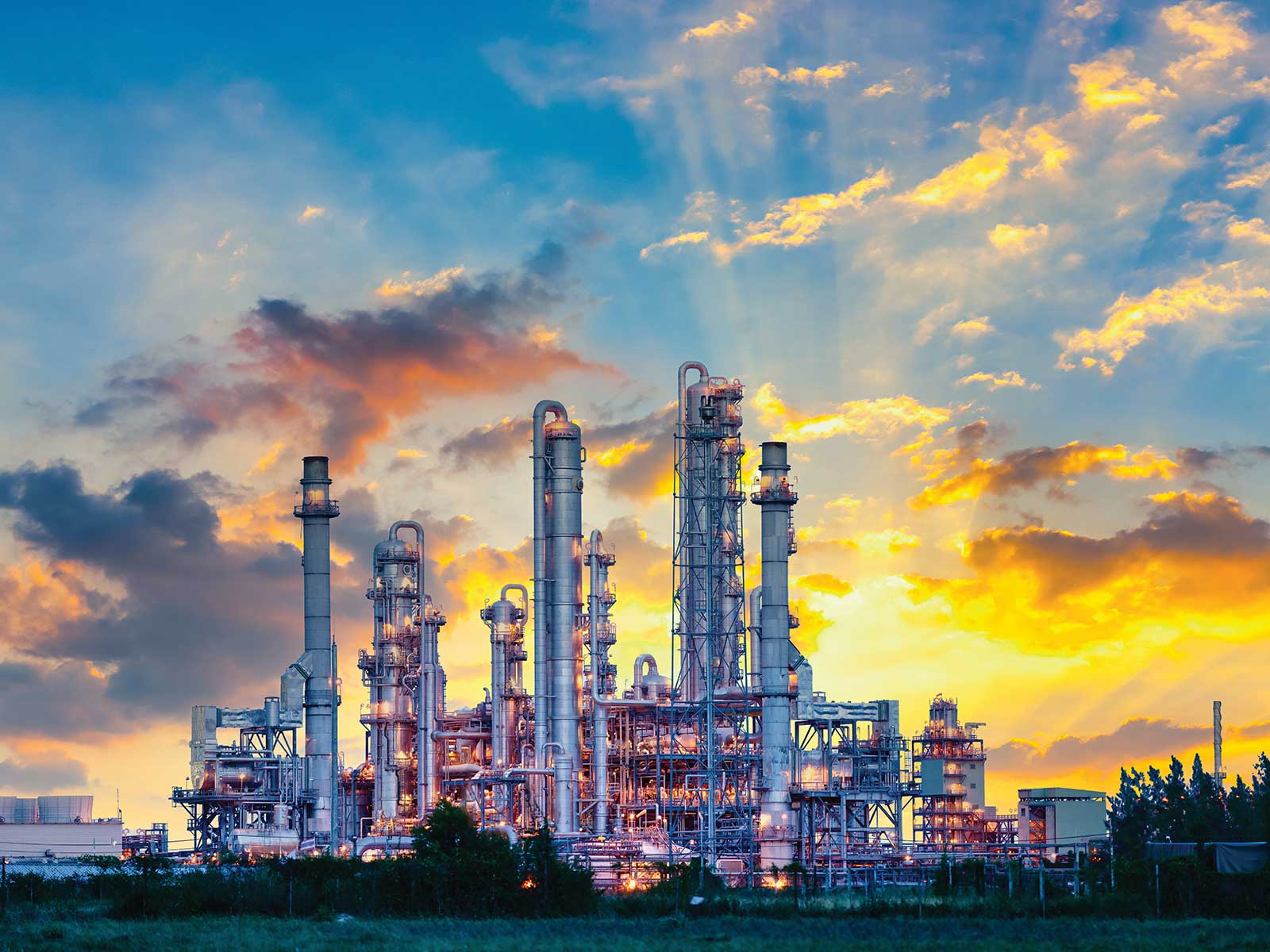
Cracking furnaces are Emisshield's most documented petrochemical application. Huntsman's Texas ethylene cracker cut fuel 12%, worth roughly $1.5M a year, with fiber shrinkage held under 1% and exterior temperature down more than 66°C. Eastman's Texas ethylene furnace recorded 6% energy savings and 9% higher production at the same time. SABIC's EDC/VCM cracking furnace in Saudi Arabia set production records with a 10% higher cracking rate and 2 to 6% energy savings, and the plant has coated two more furnaces since. Ghent University's IMPROOF pilot measured 4.8% fuel reduction and modeled 7 to 12% at full scale.
Documented in
/ 03
How does Emisshield perform on reformers?
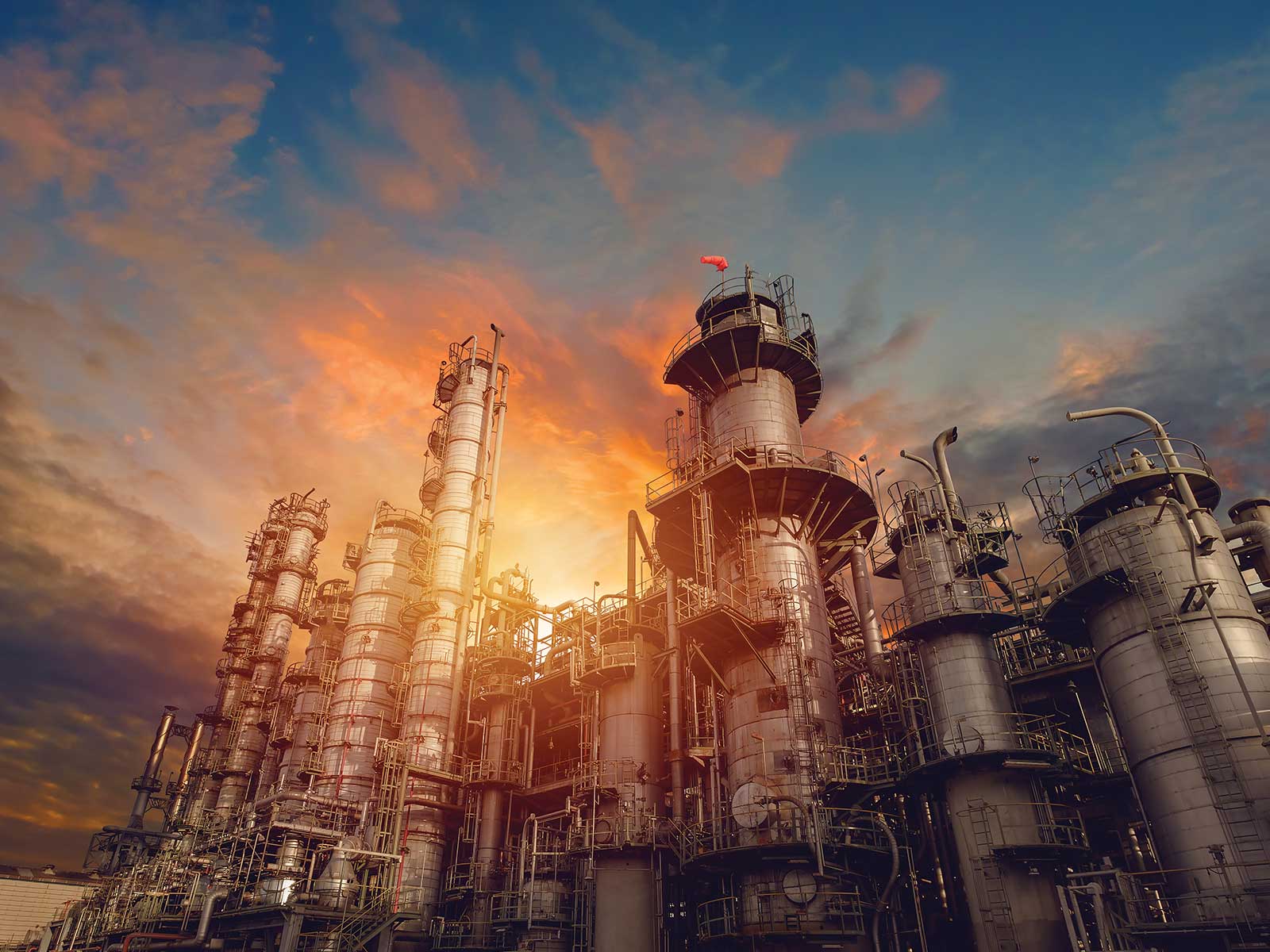
Reformer applications cover ceramic fiber, IFB, and burner blocks in the radiant box. At CSBP's primary ammonia reformer in Kwinana, Australia, ST-17.2 and DI-1 coatings brought bridge-wall temperatures below the alarm setpoint, ended emergency shutdowns, and lifted ammonia production 5%. At Terra Industries' terrace-wall reformer, coated ceramic fiber modules replaced unavailable IFB and showed no shrinkage or ablation after eight months at ~980°C. At Yara's Saskatchewan reformer, coated refractory in the throat section stopped abrasion from 4 to 23 m/s gas streams at 1,000 to 1,300°C and ended catalyst-bed contamination.
Documented in
/ 04
How does Emisshield reduce coking in process tubes?
Applied to the exterior of process tubes, the coating flattens radiant flux and lowers peak tube-wall temperature, which is where coke forms fastest. In a third-party continuous coking study across feeds on Incoloy tubes, decoke intervals rose from about 9 months to more than 30, a three- to five-fold improvement, with consistent performance beyond 7 years. The coke that formed was smaller, granular, and easier to remove.
Documented in
/ 05
How does Emisshield perform on flares and flare tips?
Flare coatings (FLM-2 and sintered FLM-6) are applied to stainless tips and shells. In a program with Saudi Aramco and other Middle East operators covering more than 50 flares since 2013, flare metal temperatures fell, combustion uniformity improved, visible emissions dropped, and flare life extended 4 to 6 times with FLM-2 and 7 to 10 times with FLM-6, in high-heat, sour-gas service with high H2S.
Documented in
/ 06
How does Emisshield perform on sulfur furnaces?
Sprayed onto dense castable walls of a natural-gas sulfur furnace in LaPorte, Texas, the coating delivered 5% fuel savings, better thermal response across the reaction zones, lower exterior shell temperature, longer refractory life, and reduced maintenance.
Documented in
/ 07
What does the coating do for ceramic fiber and IFB linings?
Third-party testing across fiber types showed coated modules shrink under 1% against 2 to 5% uncoated, tolerate continuous duty roughly 150°C higher, and run 6 to 10°C cooler on the cold face. In cracker service, uncoated fiber shrinkage of 5 to 7% falls to under 1%. The coating seals the lining surface against gas-velocity erosion and dusting.
Documented in
02
Documented results
| Asset | Case study | Result |
|---|---|---|
| Ethylene cracker | Huntsman, Texas | 12% fuel, ~$1.5M/yr, shrinkage <1% |
| Ethylene furnace | Eastman, Texas | 6% fuel, +9% production |
| EDC/VCM furnace | SABIC, Saudi Arabia | +10% cracking rate, 2 to 6% energy |
| Primary ammonia reformer | CSBP, Australia | +5% production, bridge wall below alarm |
| Process tubes | Third-party study, Texas | Decoke 9 to 30+ months |
| Oil-field flares | Saudi Aramco | Life 4 to 6× and 7 to 10× |
| Sulfur furnace | LaPorte, Texas | 5% fuel |
| Steam-cracking pilot | Ghent University | 4.8% measured, 7 to 12% modeled |
03 · Case Studies
Hydrocarbon & Chemical case studies
- Ceramic fiber modulesShrinkage <1% vs 2 to 5%Ceramic Fiber High Emissivity Coating: Third-Party Shrinkage and Temperature Testing
- Primary ammonia reformer+5% ammonia productionAmmonia Reformer High Emissivity Coating: 5% More Production at CSBP
- Ethylene furnace−6% fuelEthylene Furnace High Emissivity Coating: 6% Fuel Savings and 9% More Production at Eastman
- Steam-cracking pilot furnace4.8% fuel reductionSteam Cracking Furnace High Emissivity Coating: 4.8% Fuel Savings in the Ghent University IMPROOF Pilot
- Ethylene cracking furnace12% fuel savingsEthylene Cracker High Emissivity Coating: 12% Fuel Savings at Huntsman
- Process tubes (Incoloy)Decoke interval 9 to 30+ monthsProcess Tube High Emissivity Coating: Decoke Interval Extended from 9 to 30+ Months
- EDC/VCM cracking furnace+10% cracking rateEDC/VCM Cracking Furnace High Emissivity Coating: 10% Higher Cracking Rate at SABIC
- Oil-field flares (stainless tips and shells)Life 4 to 6× (FLM-2), 7 to 10× (FLM-6)Flare Tip High Emissivity Coating: Flare Life Extended 4 to 10 Times with Saudi Aramco
- Sulfur furnace (dense castable)5% fuel savingsSulfur Furnace High Emissivity Coating: 5% Fuel Savings in LaPorte, Texas
- Terrace-wall ammonia reformer (twin cell, 190 tubes per cell)Uniform, more intense radiationTerrace-Wall Reformer High Emissivity Coating: Coated Fiber Modules Replace IFB at Terra Industries
- Ammonia reformer throat (high-alumina brick and balls)Abrasion eliminatedAmmonia Reformer Throat High Emissivity Coating: Refractory Abrasion Eliminated at Yara
FAQ
Frequently Asked Questions
- Can Emisshield extend run length between decokes?
- Yes. Lower and more uniform tube-wall temperature slows coke formation. The documented process-tube study recorded decoke intervals rising from 9 months to more than 30.
- Will it survive our atmosphere?
- Formulations are matched to reducing and oxidizing atmospheres, sulfur service, and sour gas with high H2S. Flare coatings run continuously in that environment.
- When is it applied?
- During planned turnarounds, typically days per heater by certified crews using standard HVLP spray equipment.
- Does it affect tube metallurgy?
- No. The coating is applied to refractory and fiber surfaces and, in metal-substrate form, to the tube exterior. It adds radiant performance without altering the pressure boundary.
Next Step