
Industries · Power Generation
High Emissivity Coatings for Power Generation
In steam and power generation, radiant absorption on boiler surfaces sets efficiency, and burner tips, refractory, and waterwalls degrade under the load. Emisshield high emissivity coatings raise radiant transfer to the working surfaces and protect the components that take the abuse, with documented results including a gas-fired process boiler producing 15 to 20% more steam on 4 to 5% less fuel, a biomass CHP boiler gaining 10% steam output on 10% less fuel with NOx down 25%, and burner tip life extended 3 to 7 times. ROI is typically under a year.
- +15 to 20% steam, 4 to 5% less gas, maintenance 9 to 24+ months
- Gas-fired process boiler · Apache Nitrogen
- +10% steam, 10% less fuel, NOx down 25%
- Biomass CHP boiler · E.ON, Mora, Sweden
- Life 7×
- Black-liquor burner tips · Recovery boiler
01 · Applications
/ 01
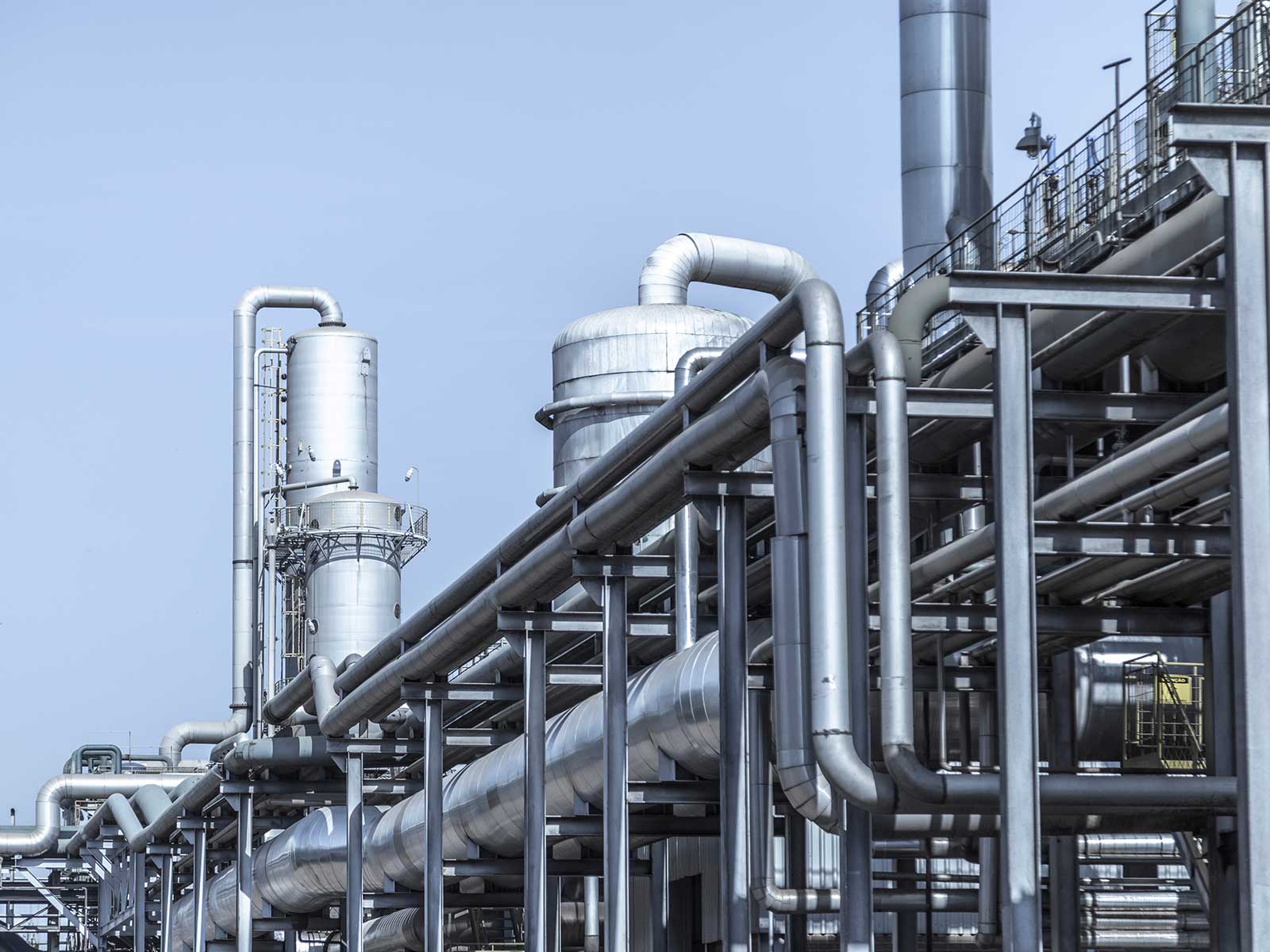
What problems does a high emissivity coating solve in a boiler?
Steam output is capped by radiant-section performance while shell temperatures and casing losses stay high. Burner tips corrode and coke in black-liquor and coal service. Slag builds and thermal shock cracks refractory in biomass and mass-burn units. HRSG transition sections run uneven. Heat rate and CO2 intensity sit above target. The coating re-emits absorbed energy to the waterwalls and tubes instead of reflecting it into the flue path, stabilizes combustion, and shields the metal and refractory it covers.
/ 02
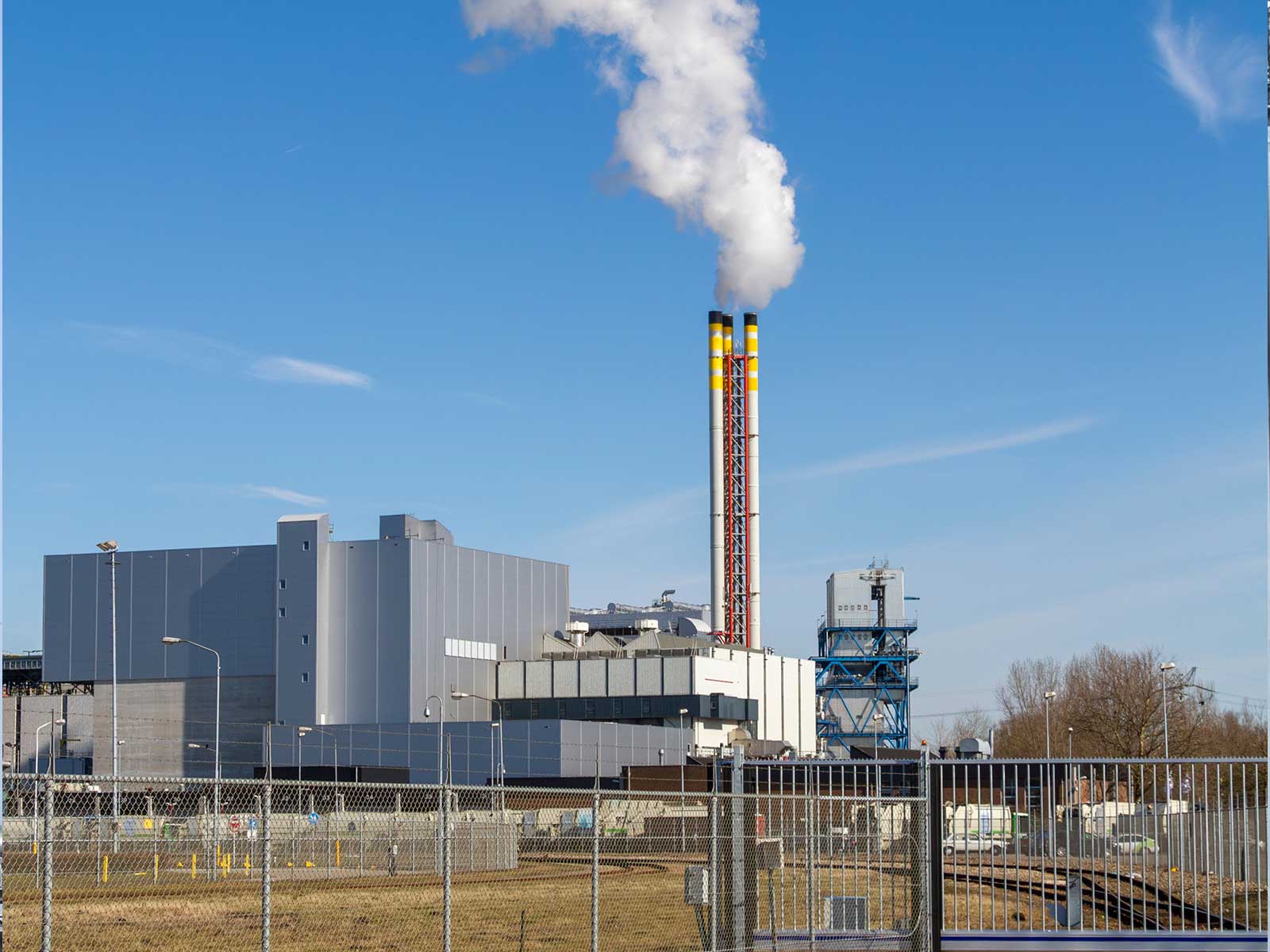
How does Emisshield perform on gas-fired process boilers?
Apache Nitrogen coated the radiant and convective refractory sections and carbon-steel tube surfaces of one of two identical gas-fired process boilers and compared it against the uncoated unit with thermal imaging. The coated boiler used 4 to 5% less natural gas, produced 15 to 20% more steam, ran lower shell temperatures on the burner wall and sidewalls, reduced excess air, and stretched its maintenance cycle from 9 to more than 24 months. The plant manager's summary: more steam with less fuel, and the maintenance window pushed out by over a year.
Documented in
/ 03
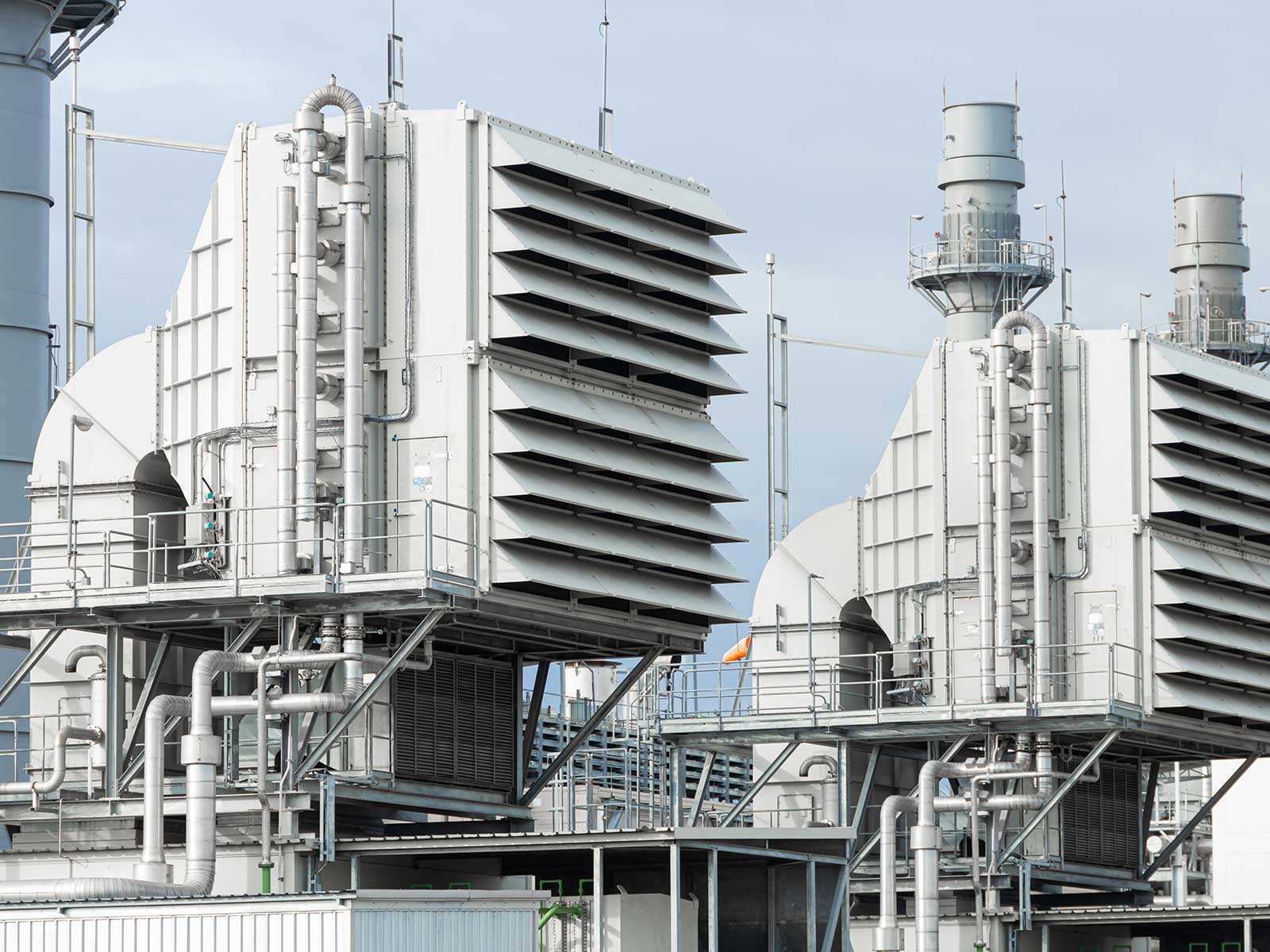
How does Emisshield perform on biomass boilers?
E.ON's walking-grate biomass CHP plant in Mora, Sweden had slag buildup, alkali corrosion, and unbalanced combustion. Coating the aged castable walls, firebrick, and boiler tubes produced a 10% increase in steam output on a 10% lower fuel load, combustion air reduced from 5.0% to 0.5%, NOx down 25%, CO down 45%, CO2 down 10%, particulate down 20%, and a large reduction in flyash, soot, and slagging. The plant was also able to switch to a less expensive fuel.
Documented in
/ 04
How does Emisshield perform on burner tips?
Sintered coatings on stainless burner tips slow the corrosion and coking that consume them. In a black-liquor recovery boiler, tips that lasted under two months went from first degradation at 3 weeks to 9 months, and time to failure from 7 weeks to 12 months, a 7× life increase. In a coal-fired power plant, tips with coke buildup and broken welds went from about 6 months to about 20 months between failures, with burner surface temperature held to 150°C, complete combustion, and lower NOx.
Documented in
/ 05
How does Emisshield perform on HRSGs?
On a horizontal HRSG at a combined-cycle plant, the duct burner zone and transition sections were coated to improve radiant capture and temperature uniformity. The unit reached operating temperature 22% faster, particulate fell 20%, dusting dropped, and refractory and steel sub-components lasted longer.
Documented in
/ 06
How does Emisshield perform on waste-to-energy boilers?
A sloped-grate mass-burn facility with slag buildup, incomplete combustion, hot spots, and thermal shock coated its wall refractories and throat arch. Heat recovery and solid-waste combustion improved, hot spots and slag adhesion fell, and the maintenance cycle moved from quarterly to semi-annual.
Documented in
/ 07
Can the coating serve power transmission?
Yes. Emisshield developed the first high emissivity coating for overhead power conductors (US patent 10332658B2) with General Cable, applied at production speed and to in-service cables. Weatherometer testing predicted a 40-year coating life, with a 4.5% reduction in resistive losses, a 25% reduction in conductor temperature rise above ambient, and less cable sag.
Documented in
02
Documented results
| Asset | Case study | Result |
|---|---|---|
| Gas-fired process boiler | Apache Nitrogen | +15 to 20% steam, 4 to 5% less gas, maintenance 9 to 24+ months |
| Biomass CHP boiler | E.ON, Mora, Sweden | +10% steam, 10% less fuel, NOx down 25% |
| Black-liquor burner tips | Recovery boiler | Life 7× |
| Coal burner tips | Coal-fired plant | Life 3×, NOx reduced |
| HRSG | Combined-cycle plant | 22% faster to temperature, particulate down 20% |
| Mass-burn boiler | Waste-to-energy | Maintenance quarterly to semi-annual |
| Overhead conductor | General Cable | 4.5% less resistive loss, 40-year life |
03 · Case Studies
Power Generation case studies
- Gas-fired process boiler (46 MMBTU/hr Erie City)−4 to 5% natural gasProcess Boiler High Emissivity Coating: 15 to 20% More Steam on 4 to 5% Less Gas at Apache Nitrogen
- Black liquor burner tips (stainless steel)First degradation 3 weeks to 9 monthsBurner Tip High Emissivity Coating: 7× Longer Life in a Black Liquor Recovery Boiler
- Coal burner tips (stainless steel)Failures ~6 to ~20 monthsBurner Tip High Emissivity Coating: 3× Longer Life and Lower NOx at a Coal-Fired Power Plant
- Walking-grate biomass CHP boiler+10% steamBiomass Boiler High Emissivity Coating: 10% More Steam on 10% Less Fuel at E.ON Mora
- Overhead power conductorResistive losses −4.5%Overhead Conductor High Emissivity Coating: 4.5% Lower Resistive Losses with General Cable
- Horizontal heat recovery steam generator22% faster to operating temperatureHRSG High Emissivity Coating: 22% Faster to Operating Temperature at a Combined-Cycle Plant
- Sloped-grate mass-burn boilerMaintenance quarterly to semi-annualMass-Burn Boiler High Emissivity Coating: Maintenance Cycle Extended from Quarterly to Semi-Annual
FAQ
Frequently Asked Questions
- Does it work in biomass and waste-fuel atmospheres?
- Yes. Slag adhesion and corrosive-gas resistance are documented; the E.ON and mass-burn cases ran in exactly those conditions.
- Can burner tips really be saved?
- Sintered coatings on black-liquor and coal burner tips are among the most repeated Emisshield applications, with documented life increases of 3× and 7×.
- What about combined-cycle plants?
- HRSG duct burner zones and transition sections are documented, with faster heat-up and lower particulate.
- Where are RTOs covered?
- Both documented RTO and dryer installations are at ethanol plants; see the Ethanol page.
Next Step