Case Study · Iron & Steel
Aluminium Melting Furnace High Emissivity Coating: 545 Tonnes More per Month at India's Largest Aluminium Producer
| Industry | Iron & Steel (aluminium) |
|---|---|
| Asset | 60-ton natural-gas melting-holding furnace |
| Customer or location | India's largest aluminium producer (confidential) |
| Products used | Emisshield refractory coating |
| Headline metric | +545 t/month |
| Secondary metric | ~$1.2M added revenue |
| Also measured | Dross −10% |
| Also measured | Melt +12°C |
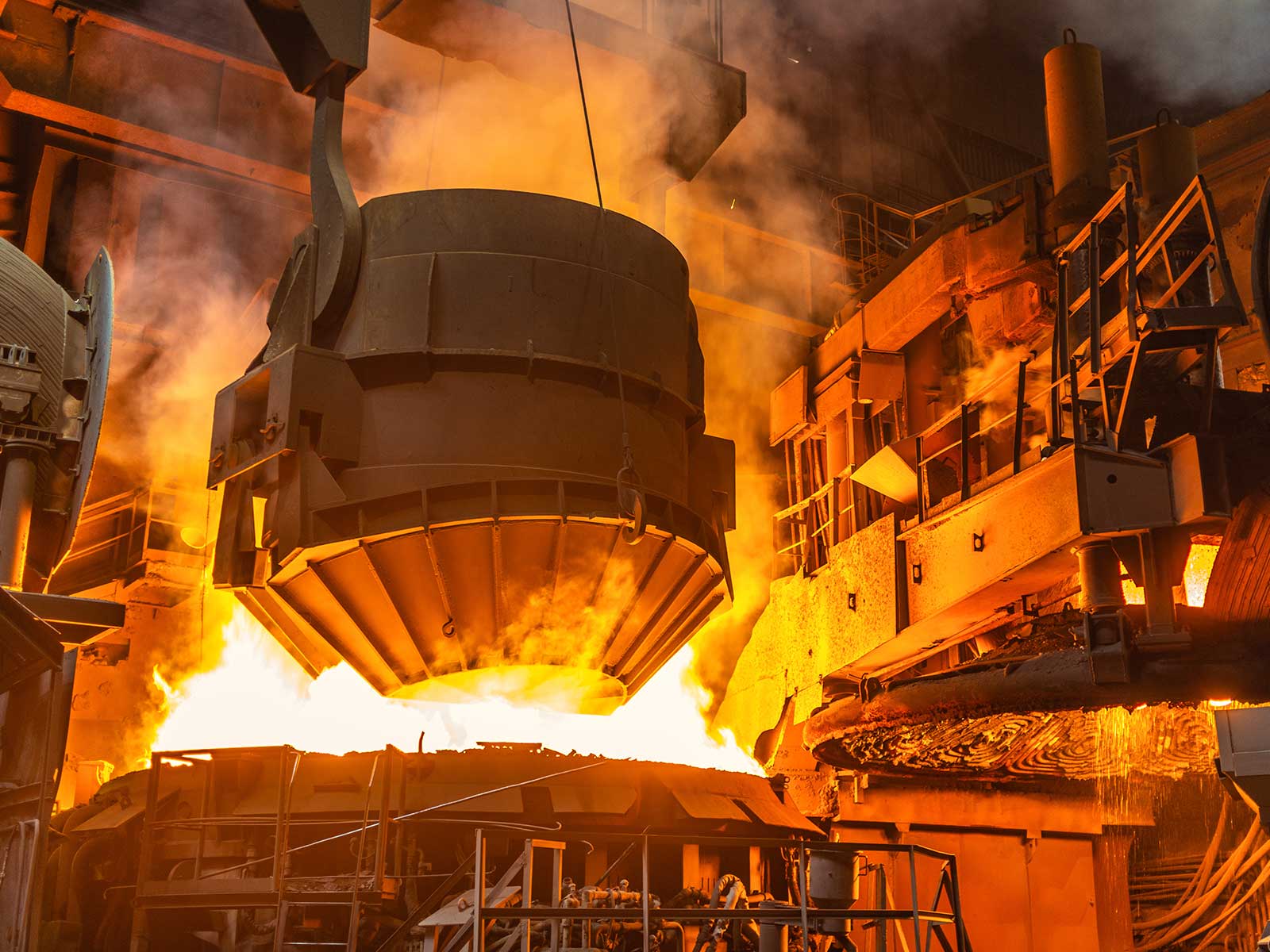
One of two identical 60-ton gas-fired melting-holding furnaces was coated with Emisshield on its roughly thirty-year-old monolithic lining, and an independent engineering firm compared it with the uncoated furnace under matched conditions. The coated furnace improved heat retention by 12%, ran a 12°C higher melt temperature, produced 545 more tonnes of aluminium per month worth about $1.2 million, and generated 10% less dross despite the higher output.
01
What was the challenge?
Significant heat loss, dross formation, and energy consumption on an aging melting-holding furnace.
02
What was applied?
Emisshield on the monolithic refractory lining of Furnace 2. Both furnaces were loaded with about 50 tons of molten aluminium and heated to 1,100°C; Thermwin Technologies measured temperature, production, and dross for the coated Furnace 2 against the uncoated Furnace 1.
03
What were the results?
| Metric | Uncoated furnace | Coated furnace |
|---|---|---|
| Heat retention | Baseline | +12% |
| Melt temperature | Baseline | +12°C |
| Monthly production | Baseline | +545 tonnes |
| Revenue | Baseline | +~$1.2M |
| Dross formation | Baseline | −10% (despite higher throughput) |
04
Why did it work?
A coated lining re-radiates burner energy into the melt instead of the flue, so the bath holds temperature and melts faster on the same fuel; a steadier, hotter surface forms less dross. See Production Increase.
Related
Related pages and studies
Next Step