

01
The Challenge
Flare tips and shells were being consumed by radiant heat and corrosive, sour-gas service with high H2S, with short life, visible emissions, and the risk of internal combustion in crosswinds.
02
What Was Applied
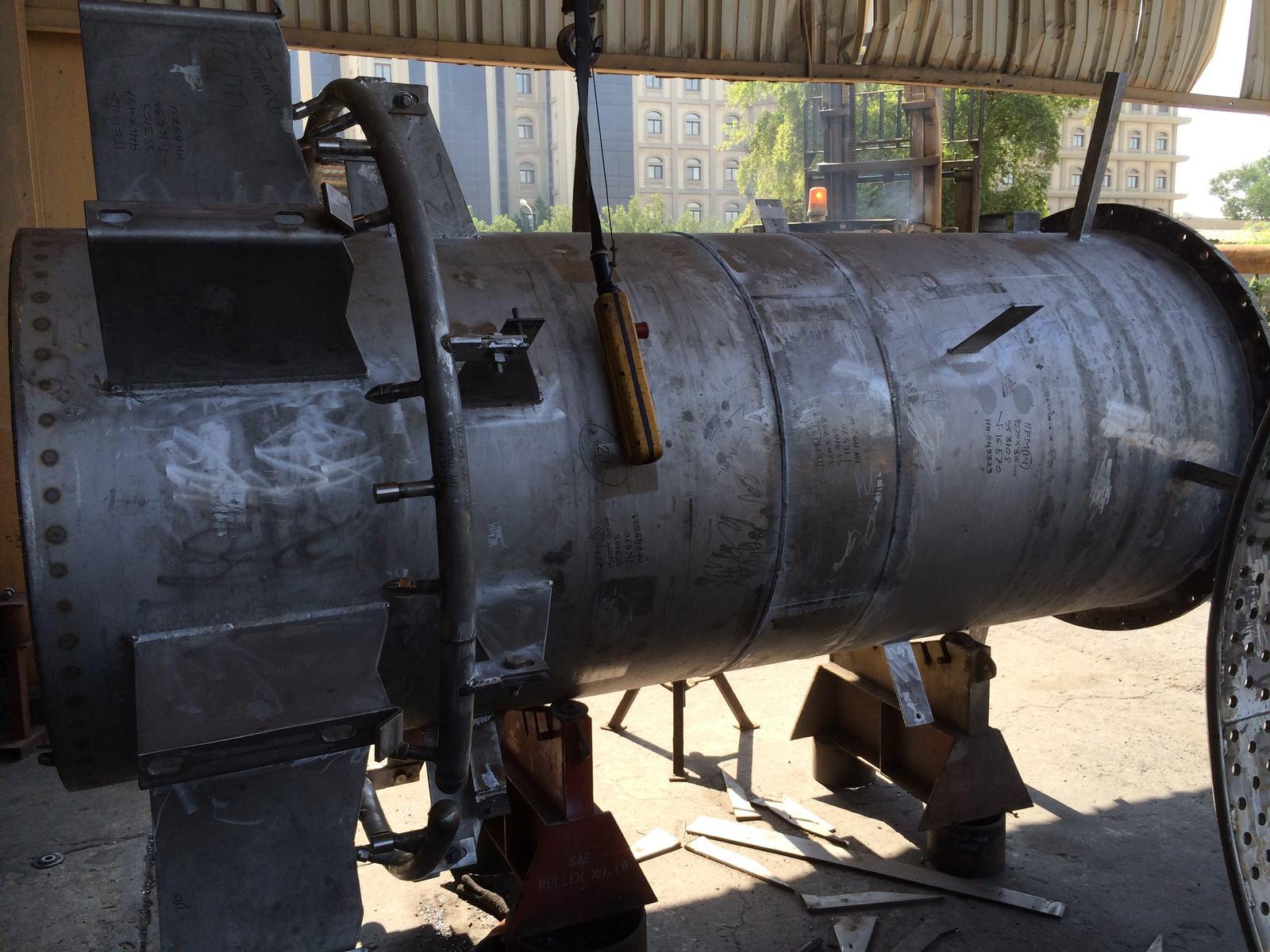
Emisshield FLM-2 and FLM-6 coatings on stainless-steel flare tips and shells across flare types, applied to improve combustion efficiency and reduce surface temperatures.
03
Why It Worked
A high emissivity surface sheds absorbed radiant energy instead of storing it as metal temperature, so the tip runs cooler and corrosion-erosion slows; uniform surface temperature stabilizes the flame. See Production Increase, component life.
04
Summary of Results
| Metric | Uncoated | Coated |
|---|---|---|
| Flare lifespan | Baseline | 4 to 6× (FLM-2); 7 to 10+× (FLM-6) |
| Flare metal temperature | Baseline | Lowered |
| Combustion | Non-uniform | Uniform; improved VOC destruction and DRE |
| Air emissions | Baseline | Reduced |
| Service environment | High heat, corrosive, sour gas, high H2S | |
| Crosswind protection | Protects against internal combustion |